
Keeping the plant running after everyone else has gone home
Most engineering relationships end at commissioning, which is roughly when performance starts to drift. We stay: maintenance, breakdown response, spares and operator competence, on a contract that runs for years.
Availability is the number the business case rests on
A plant rated at a tonne an hour that runs 40% of the year is a very different asset from one rated at 600 kg that runs 85%. Everything downstream inherits that figure. Carbon revenue depends on documented production, product supply depends on consistent output, and both stop the moment the plant does.
Availability is also the thing that decays quietly. Nothing announces itself: wear parts thin, procedures survive only as habit, the crew that was trained at handover moves on, and eighteen months later the plant is running at a fraction of what it should with no single component having failed. We have written upthe failure modes we see most often, arranged by symptom.
Scope
- Remote operating support and scheduled site inspections
- Preventive maintenance programmes built around the parts that actually wear
- Breakdown diagnosis and field mobilisation
- Spare-parts planning, held where they are needed rather than where they were sold
- Operator competence and retraining as staff turn over
- Written operating procedures, kept current with the machine as it is modified
- Performance monitoring, and the equipment and process upgrades that come out of it
- Production and process records in a form a carbon methodology can use
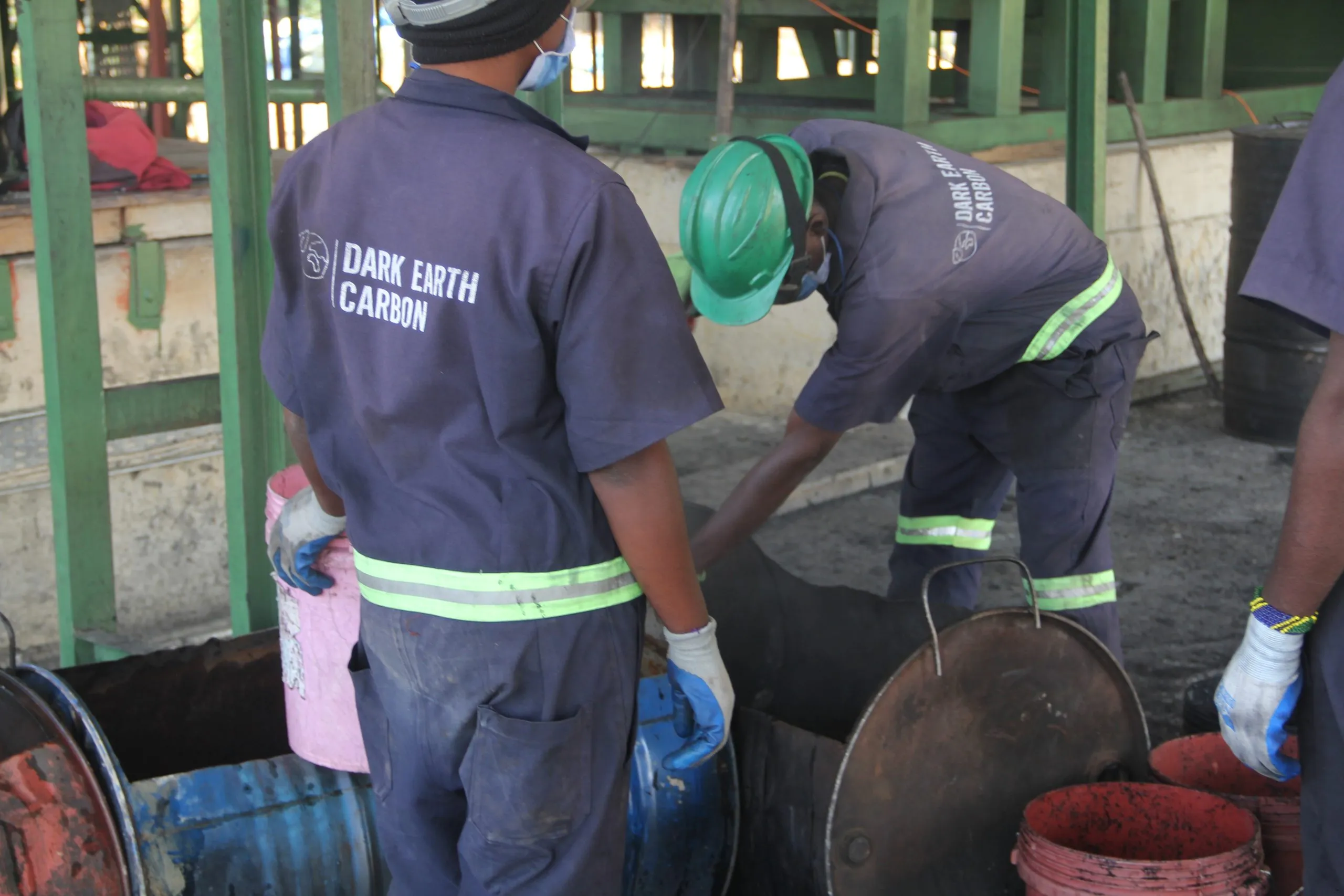
Scope and cover are set per site, because a plant three hours down a bad road and a plant beside a workshop are not the same commitment. Tell us where it is and what it is, and we will tell you what we can hold.
Where we work
Our focus is Africa, and our projects are inKenya and Tanzania. Our engineers live there, so a fault gets looked at on site, in the conditions that caused it. If every diagnosis needs an overseas mobilisation, your availability is capped by another company's travel schedule, and the wait is routinely longer than the repair.
It shapes what we can hold ourselves to as well. We take on sites we can reach, and if one is outside what we can cover we will say so instead of signing for it and arriving late. If you are elsewhere inAfrica, ask anyway — it depends on the site and on what the contract needs to guarantee.
If you are generating carbon revenue
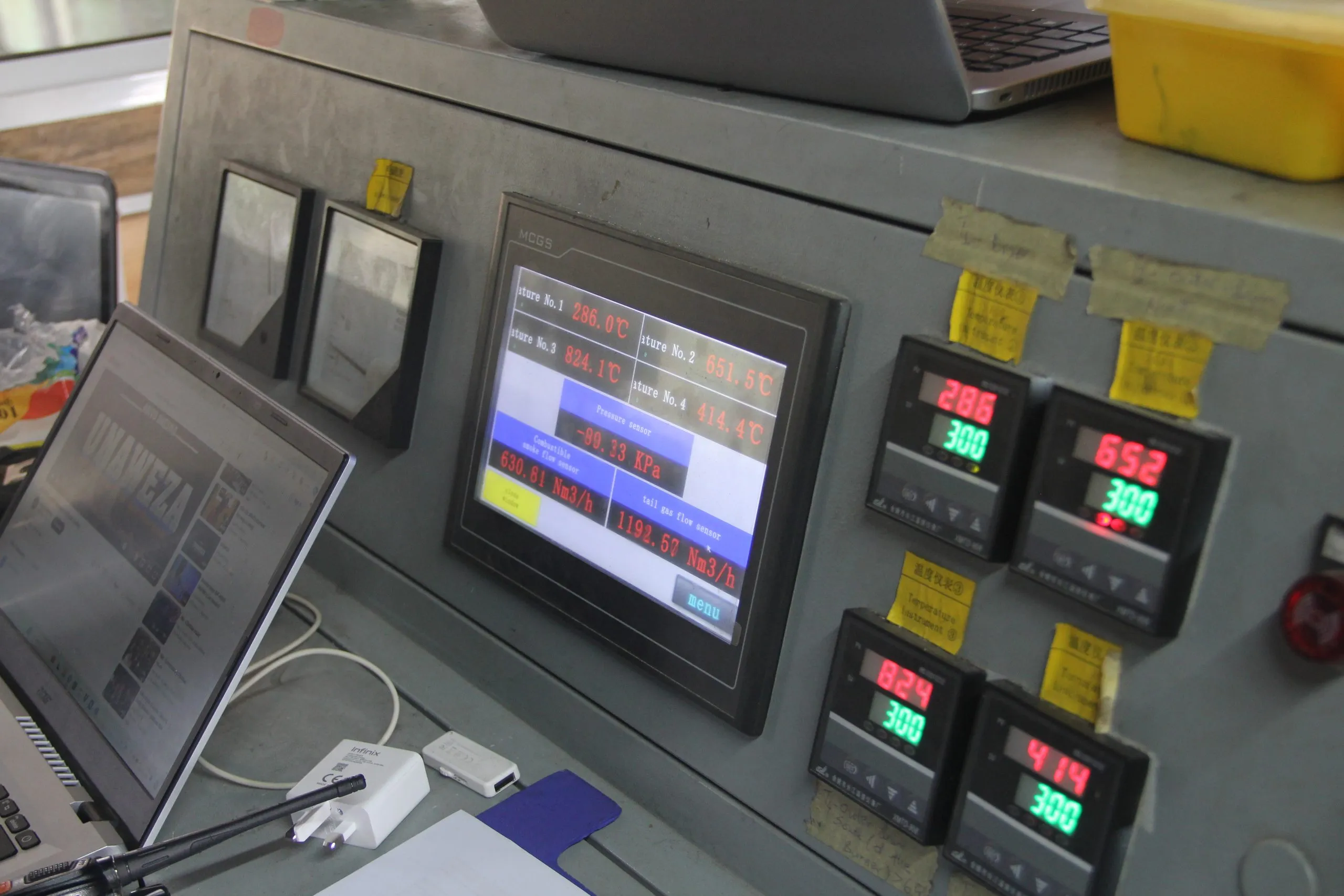
A monitoring gap can cost as much as a mechanical failure, because production that was not logged may not be claimable at all. Instrumentation specified for process control is not always sufficient for carbon documentation, and rural connectivity fails often enough that local buffering matters. We treat the operating record as part of the plant.
More on that under carbon removal.
Before a contract
We normally look at the plant first. The diagnosis comes before the quote, because a site that needsrecovery work should have that done and measured before anyone signs a recurring agreement against its performance.
What would a contract have to cover?
Cover is set per site, and where the plant is usually decides more than what the equipment is.