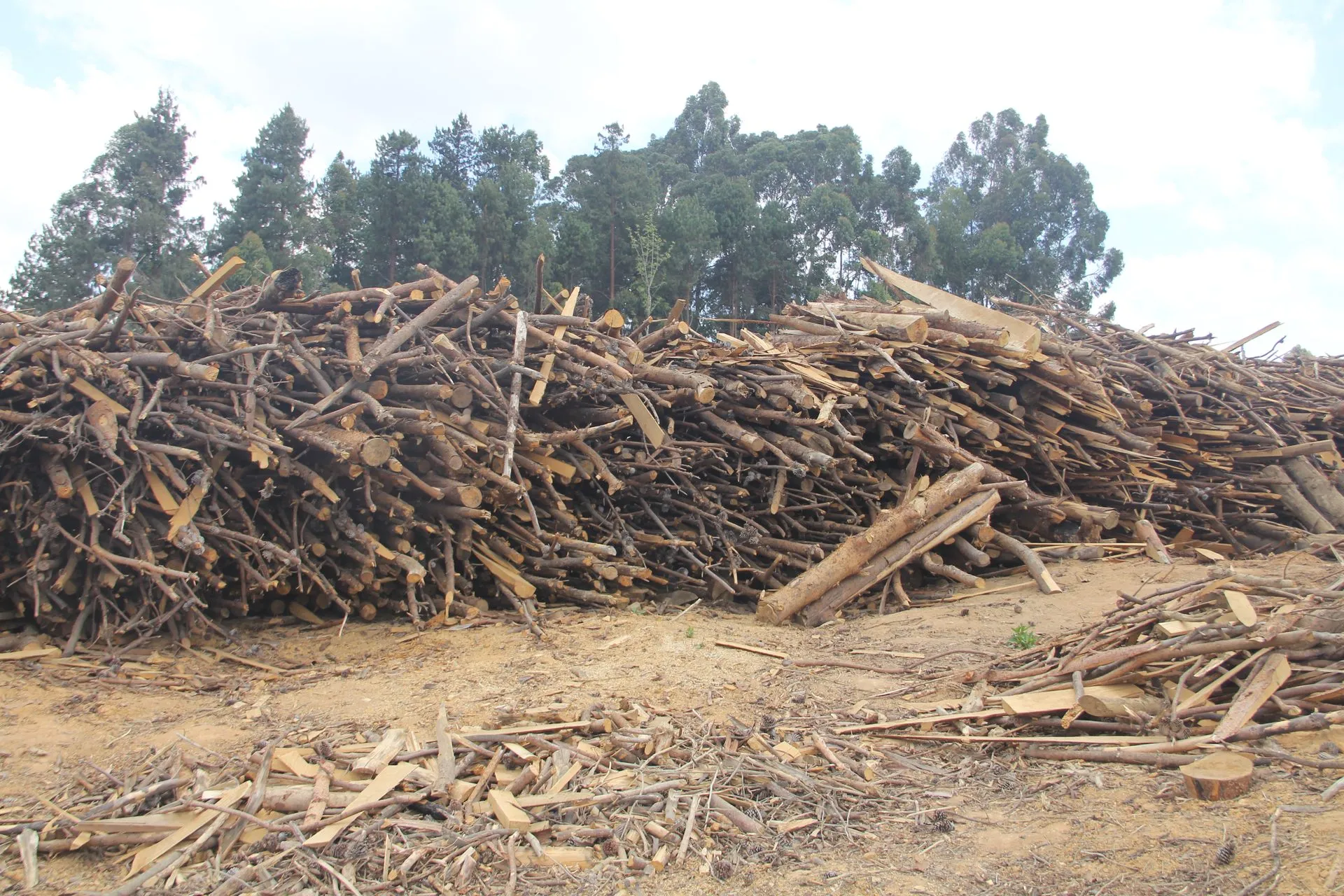
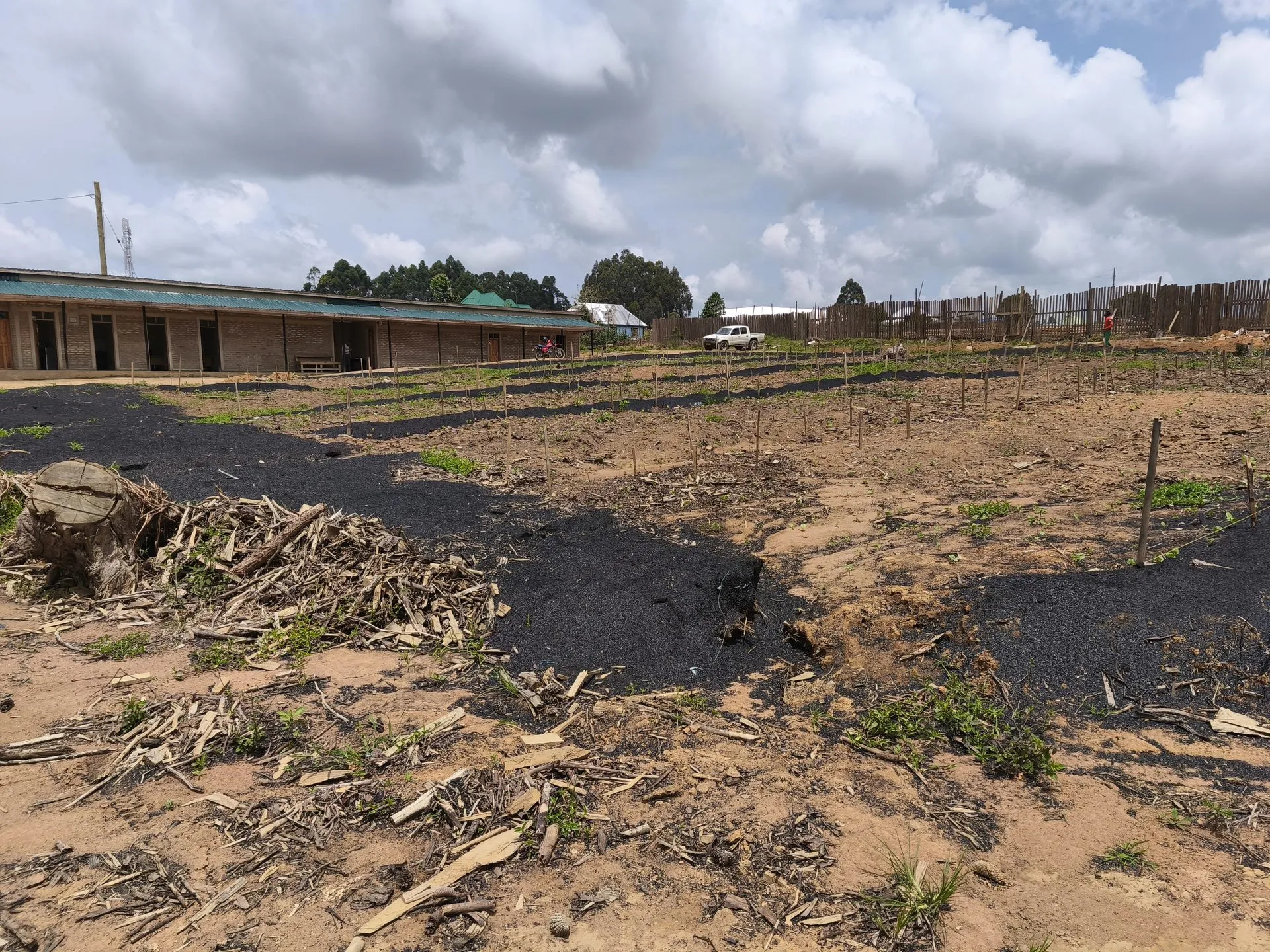
Biochar removal is physically durable, and because production is a controlled industrial process it can be measured from weights and samples instead of estimated from models. The carbon also ends up somewhere useful, in soil a farmer is working.
Why biochar
How the carbon stays put
Most agricultural residue breaks down within a few seasons and returns its carbon to the atmosphere. Pyrolysis interrupts that cycle, converting part of the carbon into a form that resists decomposition for centuries.
Three things follow from that.
Durability. The stable carbon fraction is generally understood to persist on a centuries scale, against the decades typical of biomass-based storage. How durable depends on how the char was made, and the production conditions that set it trade against yield.
Measurement. Feedstock in and biochar out are weighed and sampled, so the carbon figure comes off a scale and a lab report.
Somewhere useful to put it. The store is farmland in production, not a sealed repository.
What we measure
Credible removal means documenting the chain end to end, from feedstock through to the field. Our production data covers:
Feedstock source, type and quantity, with evidence that it is genuine residue and not supply diverted or created to feed the plant
Process conditions during production, which govern both stability and yield
Biochar quantity and carbon content, sampled from the production run
Emissions and energy use across production, so what we report is a net figure
End use and application, so there is a record of where the material went
Where it's produced
In Africa, with projects in Kenya and Tanzania. The same tonne of removal pays wages in a rural area, takes up crop residue that would otherwise be burned in the field, and puts carbon into soil that a smallholder is farming.
If you already source from the region, or fund work there, the removal and the impact sit in the same supply chain.
Buying from us
What to expect
Documentation
Production records, sampling data and end-use evidence, prepared against the requirements of the methodology that applies to a given project. We will tell you which one that is for the volume you are looking at, and where the project stands in the certification process.
Traceability
Removal tied to a named production run, a named feedstock and a documented application. Where the methodology requires evidence of end use, it is collected at the point of distribution.
A direct relationship
Visit if you want to. Paperwork you have to take on trust is worth less than a morning on site.
If you operate the plant
Carbon revenue depends on a facility that runs. A pyrolysis unit becomes a credit-generating asset only when it runs predictably and its output is measured properly; both are among the first things to slip at a rural site.
Most of our work is on that side of it, for other operators as well as on our own sites: commissioning andplant recovery, and theO&M contracts that keep availability where the business case assumed it would be.
Buying removal
We will need the volume and the timeframe. You will want to know which methodology applies and how far through certification the project is. Ask, and we will put that in writing.