What we have learned fixing other people's plants
Technical notes for people who operate, specify or buy pyrolysis equipment. No case studies, nothing behind a form. These are the things we end up explaining on site, and it is quicker to write them down once.
How pyrolysis actually works
Primary and secondary reactions, why vapour residence time decides your char yield, and why yield and carbon permanence pull against each other.
ReadWhat to ask before you buy a pyrolysis plant
The acceptance tests that determine whether a plant earns money, written as questions to put to a vendor before you sign.
ReadWhy biochar plants underperform
The failure modes we see most often in the field — symptom, likely cause, and what to check first.
ReadWhat we don't claim
Biochar attracts claims the evidence does not support. Where we think the line sits, including for our own work.
Read
Why we publish these
Most equipment vendors treat what goes wrong with their equipment as a trade secret. We can afford not to, because what we sell is diagnosis and operating capability. Naming a failure mode before we have seen your plant makes a better case for us than a brochure would.
None of it is proprietary either. It is standard process engineering, written down by people who spend their time in front of the machines it applies to. Doing that on other people's sites iswhat we do for a living.
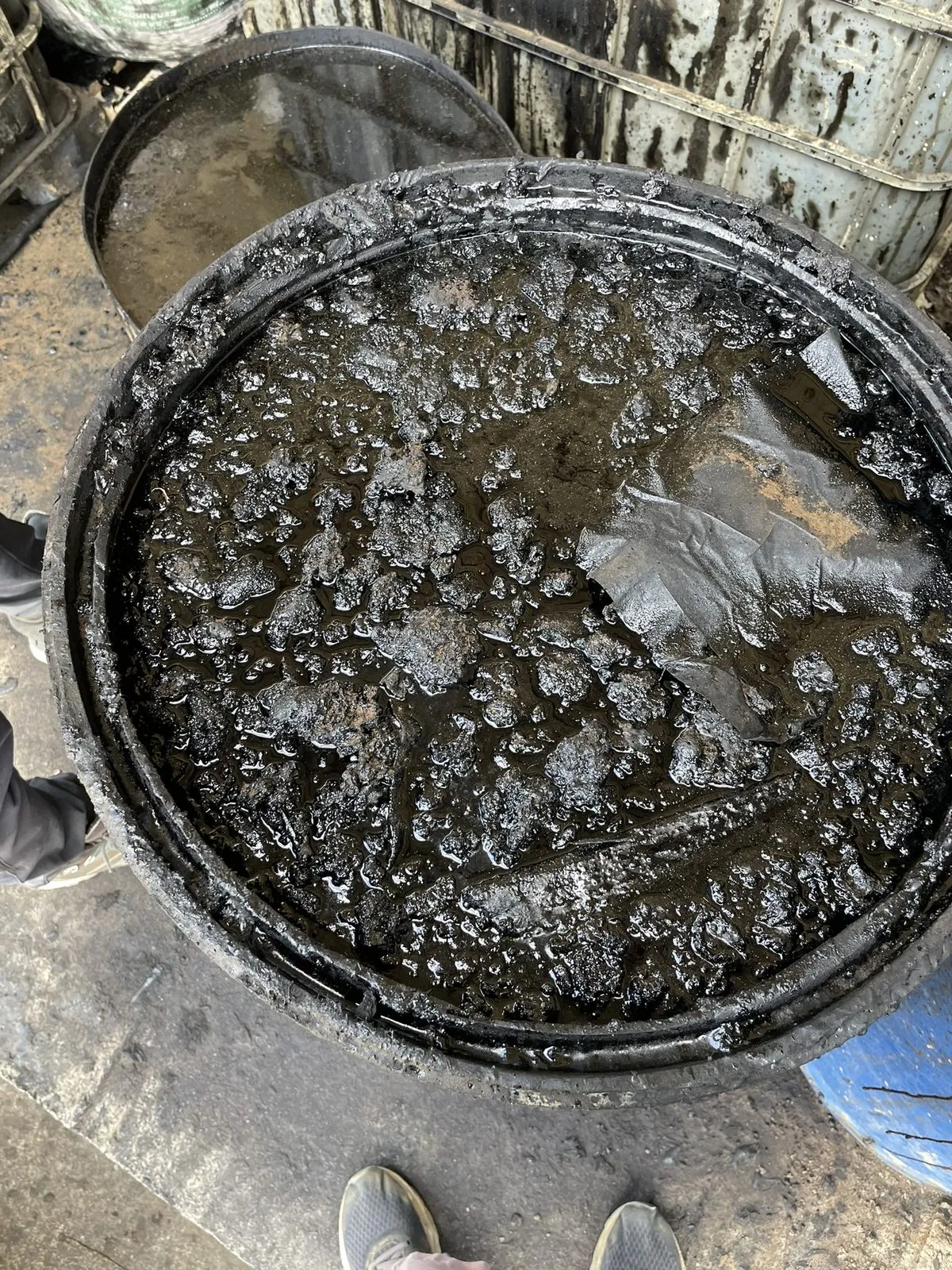
Something here sound familiar?
Describe what you are seeing and we will give you a straight read on it, including when that read is that you do not need us.