
Making it into something that sells
The gap between producing biochar and selling it is wider than most projects budget for. Closing it means building a product and the evidence for it, then finding a channel that will carry both. Usually all at once, from a standing start.
Biochar out of the kiln is a bulk material
Raw biochar is not a finished agricultural input, and demand does not appear on its own. Before a distributor will stock it somebody has to have settled which crops and soils it is for, how it should be charged or blended, what rate and method the farmer applies it at, what evidence the distributor's own agronomists will accept, and a pack size and price that fit how a farmer's cash moves through a season.
Producers without those answers end up holding the product, giving it away, or selling it at bulk prices. The plant is left underused and the whole operation ends up living on carbon revenue alone.
What the work covers
- Characterisation of your biochar, specific to your feedstock and process
- Which crops, soils and customer segments to go after first
- Formulation: charging, curing, blending with composts, manures, nutrients or biological inputs, and pelletising or granulation where the channel needs a handled product
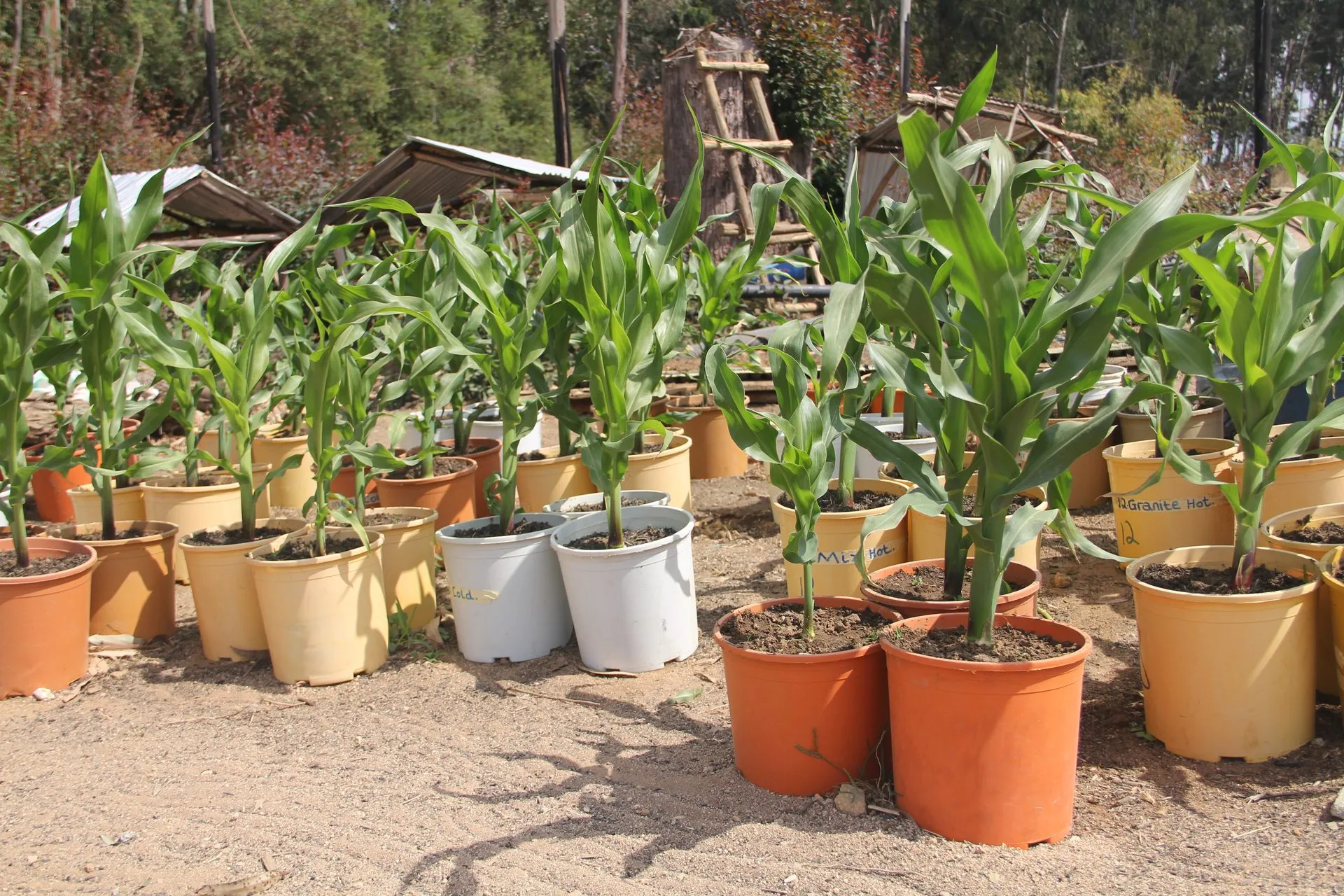
- Field trials and commercial demonstrations, designed to produce evidence a distributor will accept
- Application rates and farmer-use protocols
- Product specifications, quality control and substantiation of claims
- Pack size, pricing and unit economics that survive the channel
- Training for distributors, agrodealers, extension agents and sales teams
- Distribution, traceability and post-sale support built for smallholder channels
The measure we care about is paid repeat purchase: the same customer buying a second time at a price that works. Volumes given away or distributed free get tracked separately.
Why the first trial often disappoints
A demonstration plot that underperforms can cost you the account, and the usual cause is nitrogen tie-up in uncharged material. The mechanism is on the biochar page . The commercial point is that the demonstration is frequently the only shot you get: an agronomist who has watched a treated strip do worse than the control will not run a second one, whatever the material does eighteen months later.
Claims are the constraint
The sector's habit of generalising one study past what it can carry is why buyers discount everyone. By the time you reach a distributor, their agronomist has seen the headline figures and stopped believing them.
So the work is designing a trial that answers the question for your soil and your crop, then reporting what it showed. A serious channel will not take anything else, and we have written downwhere we think the line sits.
It works better on a plant that runs
Formulation gets much harder when the input keeps changing. A product specification is written against consistent biochar, and consistent biochar comes from consistent process conditions; so this work usually sits alongsidethe operating side .
Where does it stop?
Making it, or selling it. Which one decides what the first piece of work is.